Mikhail Epstein
Philosophy
Reason for Award
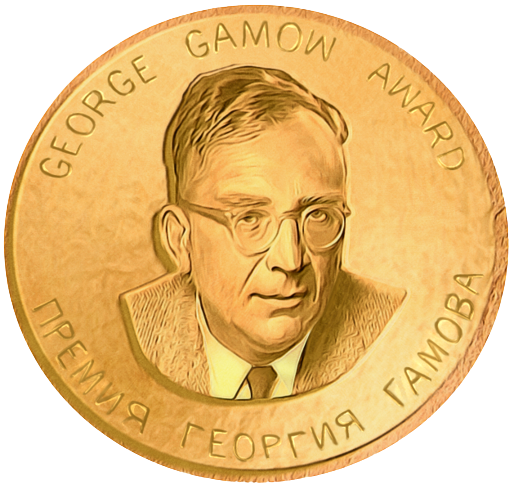
“For his pioneering contributions to the study of Russian postmodernism and conceptualism, significant advances in the philosophy and literary theory, construction of alternative concepts and propositions to multiple symbolic systems and theoretical models; and for his role as a public intellectual and advocate for the humanities and their transformative potential, articulating a vision of scholarship as a creative and forward-looking process.”
“The Gamow Award holds special significance for me. George Gamow embodied the kind of intellectual daring that bridges disciplines and crosses borders—a physicist whose thought ranged from the origins of the universe to the code of life, and who never lost the playful curiosity that makes science kin to the humanities. I see this award as a sign that the boundary between the sciences and the humanities is becoming ever more permeable—and that the humanities, no less than the sciences, can be a creative and world-transforming force,” Mikhail Epstein added.
Biography
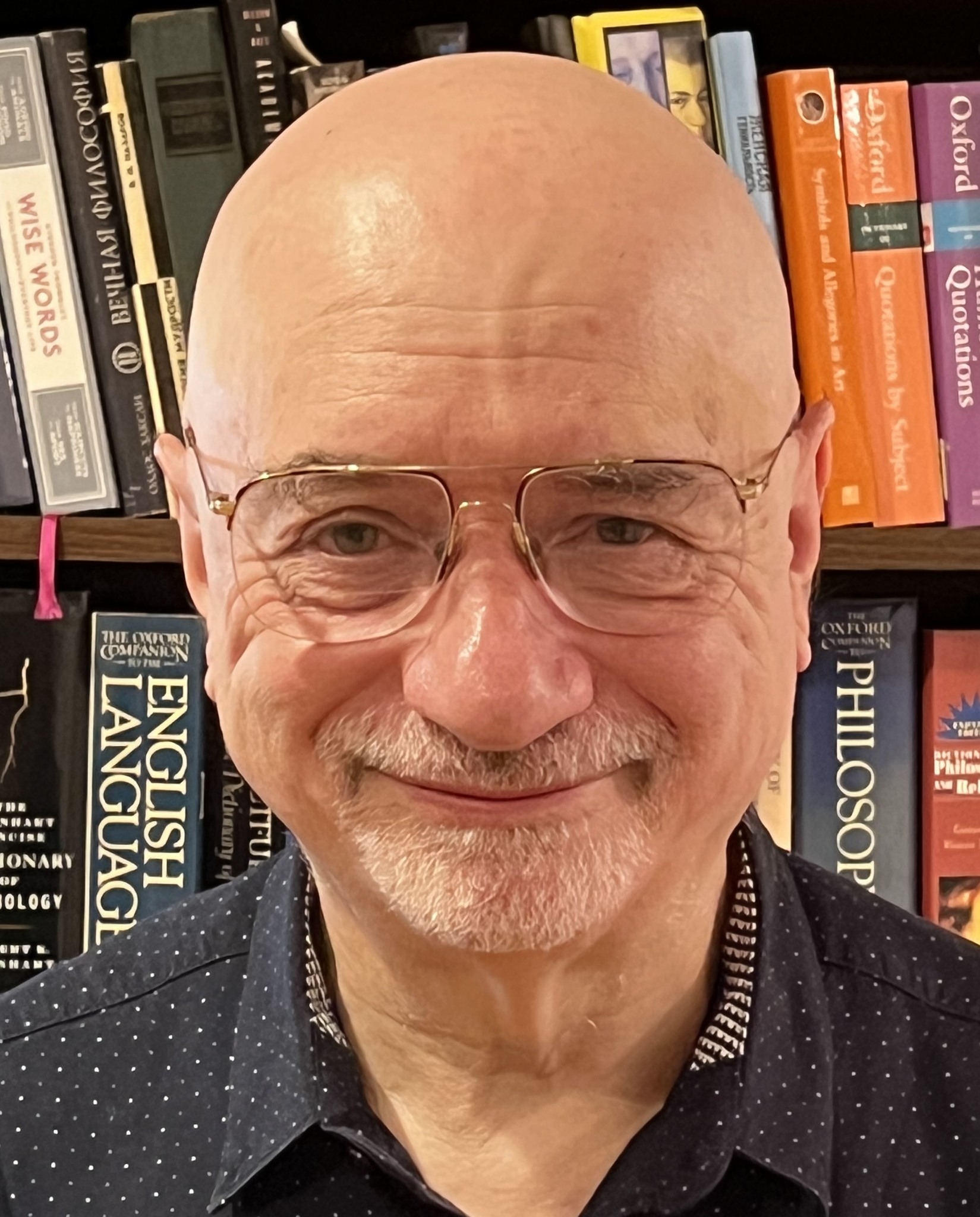
Mikhail N. Epstein is a Russian-American philosopher, cultural theorist, and literary scholar—one of the founding theorists of Russian postmodernism. The unifying impulse of his work is the expansion of the thinkable: where scholarship usually describes what exists, Epstein constructs alternatives to prevailing theories and sign systems—possible philosophies, new disciplines, genres, concepts, and words. His work has given rise to the philosophy of the possible, transculture, and the transformative humanities—scholarship as a creative, world-changing force. In recent years he has been developing a philosophy of artificial intelligence as a new stage in the evolution of thought. Educated at Moscow State University, Epstein moved to the United States in 1990. He is Samuel Candler Dobbs Professor Emeritus of Cultural Theory and Russian Literature at Emory University. He is the author of 50 books and numerous articles, translated into 26 languages. His honors include the Andrei Bely Prize (1991), the Liberty Prize (New York, 2000), and the MLA Scaglione Prize for the best book in Slavic studies (2023).